
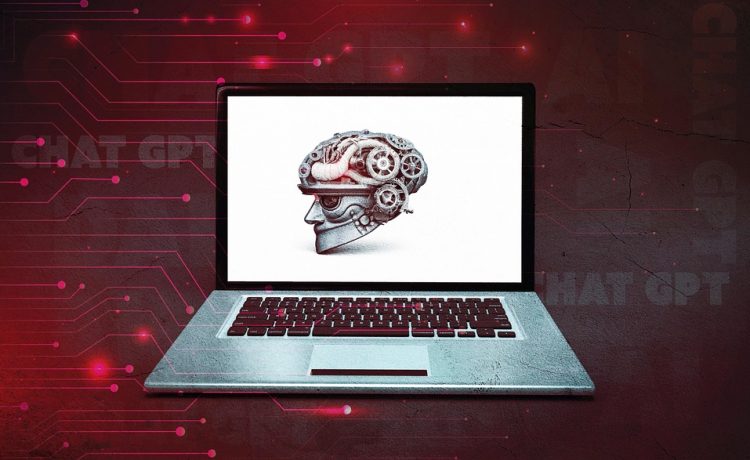
The intersection of technology and creativity has always sparked imagination and debate. Today, we find ourselves in the midst of a transformative era propelled by artificial intelligence (AI), which is redefining artistic expression. Creative AI systems are now painting pictures, penning stories, composing symphonies, and even crafting poetry, leading us to question the very nature of creativity itself. Are these machines mere tools, or are they the harbingers of a new artistic epoch?
The Evolution of Creative AI
AI’s journey from simple algorithms to complex creative outputs began as early as the 1950s. Initially, machines operated on basic patterns, executing simple computations. However, advancements in machine learning, specifically deep learning, have provided them with the ability to interpret vast datasets containing artistic works, styles, and genres. As a result, these AI systems can now autonomously produce impressive works that resonate with human aesthetics.
Tools like OpenAI’s ChatGPT and DALL-E, Google’s Bard, and various music-generating algorithms showcase the wide range of creative AI applications. DALL-E, for instance, can generate images based on prompts, merging multiple styles and concepts to create unique artworks. Meanwhile, AI-driven music composition tools can generate tunes that emulate classical composers or experiment with entirely new genres.
The Process of Creative AI
Creative AI typically employs two main processes: data training and output generation. Data training involves feeding the algorithm massive datasets—images, text, music—which it learns to interpret. Once trained, the AI can generate original artwork, narratives, or compositions by remixing learned patterns and styles.
These systems often use techniques like neural networks to analyze and synthesize data. For example, a music-generation model might learn patterns in chord progressions, melodies, and rhythms. When tasked with composing a piece, it draws on this knowledge, creating something that retains familiar elements while introducing novel variations.
Impact on the Art World
The rise of Creative AI has prompted varied reactions within the art community. Some artists embrace these tools as collaborators, integrating AI into their creative processes to enhance their work. They view AI as an assistant that can generate ideas or draft elements that human artists refine and personalize.
Conversely, traditionalists argue that art without a human touch lacks authenticity. They raise questions about the emotional and cultural significance of art created by machines. Can an AI understand context, emotion, and intent, or its creations are merely mimicries of human expression?
The conversation extends beyond the artistic realm to address the implications of copyright and authorship. If an AI generates a painting or a novel, who owns that work? Current legal frameworks struggle to address these questions, creating uncertainty in a landscape that blurs the lines between human and machine creativity.
The Future of Creativity
Looking ahead, the integration of AI into the world of art offers both exciting opportunities and significant challenges. As AI continues to evolve, it is likely that we will see more sophisticated creative outputs that can engage audiences on deeper emotional levels. The idea of co-creation—human artists collaborating with AI—may become the norm, leading to innovative works that neither could accomplish alone.
Moreover, AI has the potential to democratize art creation. Individuals without formal training can generate music, art, and writing, enabling broader participation in creative endeavors. This accessibility could enrich the artistic landscape and foster diverse expressions of culture.
Conclusion: A New Artistic Era?
As we navigate this new era of Creative AI, the key question remains: What does it mean to be creative? Machines are undoubtedly reshaping our understanding of art, creativity, and expression. While they may not possess emotions or consciousness, their ability to generate compelling works challenges us to rethink the essence of artistic creation.
Creative AI doesn’t necessarily replace human artists; rather, it complements and expands the creative toolbox. In this symbiotic relationship, both machines and humans can push the boundaries of creativity. The future is bright, but it will require thoughtful consideration of the ethical, philosophical, and practical implications of creatively engaged machines. As we stand at this exciting crossroads, the potential for a new artistic era beckons, promising innovation, collaboration, and fresh perspectives in the world of art.