

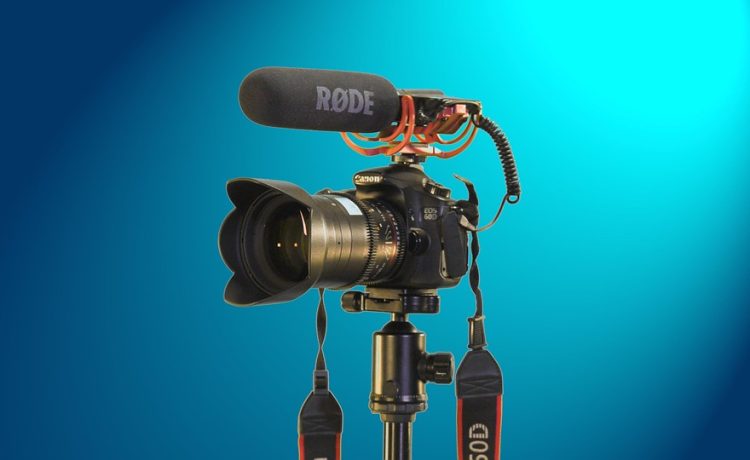
In the rapidly evolving world of photography, mirrorless cameras have taken center stage, delivering cutting-edge technology in compact designs. Among these contenders, the Canon EOS R stands tall, representing Canon’s foray into the mirrorless realm. But how does it compare against its notable rivals? This article explores the strengths and limitations of the EOS R and positions it within the competitive landscape of mirrorless cameras.
Overview: Canon EOS R
Launched in 2018, the Canon EOS R marked a significant milestone for Canon. This full-frame mirrorless camera was designed to combine the advantages of a lightweight system with the company’s renowned imaging capabilities. It features a 30.3 MP full-frame CMOS sensor, Dual Pixel autofocus, and can shoot video in 4K. With a robust build quality and an intuitive interface, the EOS R targets both enthusiasts and professionals alike.
Key Specifications
- Sensor: 30.3 MP Full-Frame CMOS
- ISO Range: 100-40,000 (expandable to 50-102,400)
- Autofocus: Dual Pixel AF with 5,655 AF points
- Continuous Shooting: Up to 8 fps
- Video Recording: 4K at 30 fps
- Battery Life: Approximately 370 shots
The Competition: Rivals at a Glance
To understand the EOS R’s place in the market, we must compare it to its immediate competitors: the Nikon Z6, Sony A7 III, and Fujifilm X-T4. Each camera brings its unique strengths and specifications, catering to different types of photographers.
1. Nikon Z6
Overview: The Z6 has made a name for itself with a remarkable balance between performance and price.
- Sensor: 24.5 MP Full-Frame
- ISO Range: 100-51,200 (expandable to 50-204,800)
- Autofocus: 273 AF points
- Continuous Shooting: Up to 12 fps
- Video Recording: 4K up to 30 fps
Strengths: The Z6 excels in low-light performance, thanks to its wider dynamic range. It also offers in-body image stabilization (IBIS), which is absent in the EOS R.
2. Sony A7 III
Overview: The A7 III is hailed as a game-changer in the mirrorless segment, often seen as a benchmark for performance.
- Sensor: 24.2 MP Full-Frame
- ISO Range: 100-51,200 (expandable to 50-204,800)
- Autofocus: 693 AF points
- Continuous Shooting: Up to 10 fps
- Video Recording: 4K up to 30 fps
Strengths: The A7 III boasts cutting-edge autofocus technology, a longer battery life, and a well-rounded video performance, making it ideal for hybrid shooters.
3. Fujifilm X-T4
Overview: The X-T4 stands out in the APS-C category, appealing to creative photographers with its distinctive design.
- Sensor: 26.1 MP APS-C
- ISO Range: 160-12,800 (expandable to 80-51,200)
- Autofocus: 425 AF points
- Continuous Shooting: Up to 15 fps (with mechanical shutter)
- Video Recording: 4K up to 60 fps
Strengths: Known for its color science and film simulation modes, the X-T4 excels in producing stunning images with minimal editing. It also has IBIS and a flippy touchscreen, enhancing its usability for vloggers.
Comparing Features
Autofocus System
The EOS R’s Dual Pixel autofocus system is reliable, but compared to the A7 III’s 693 AF points, it falls short in ultra-fast tracking, particularly with moving subjects. The Z6 offers plenty of coverage but lags in tracking performance.
Ergonomics and Build Quality
Canon has designed the EOS R to be user-friendly, with a comfortable grip and an intuitive menu system. In contrast, the Nikon Z6 and Sony A7 III offer a more robust body suitable for rugged use, while the Fujifilm X-T4 brings a vintage flair that many photographers adore.
Video Capabilities
While all four cameras provide solid 4K capability, the X-T4 stands out for its advanced video features like in-body stabilization and high frame rate options. The EOS R’s 4K is limited by a crop factor, which may deter videographers.
Conclusion
The Canon EOS R is a respectable entry into the mirrorless world, offering excellent image quality and ease of use. However, in this competitive space, it faces strong challengers. The Nikon Z6 and Sony A7 III deliver superior autofocus and video capabilities, making them attractive choices for professionals. Meanwhile, the Fujifilm X-T4 caters to creatives seeking a unique photographic experience.
Ultimately, the best choice depends on the specific needs of the photographer. For Canon loyalists or those just beginning their photography journey, the EOS R is a solid option. Still, serious buyers should carefully weigh their options, considering the unique features, strengths, and weaknesses of each competitor. As the mirrorless market continues to evolve, so too will the abilities of these giants in the realm of digital photography.


