

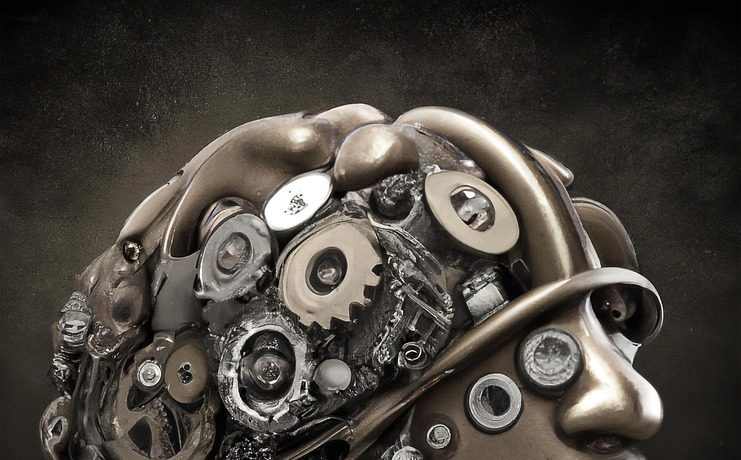
In today’s fast-paced, technology-driven world, businesses are continuously seeking ways to enhance productivity, streamline operations, and foster creativity. Among the emerging solutions is the collaboration between humans and artificial intelligence (AI). This partnership is reshaping how we work, driving innovation, and significantly improving efficiency across various sectors.
The Rise of AI in the Workplace
AI technologies have undergone rapid advancements in recent years. From machine learning to natural language processing, these tools are being integrated into daily business operations. They not only automate mundane tasks but also provide insights that empower decision-making. As a result, organizations are increasingly recognizing the potential of AI as a collaborator rather than just another tool.
Bridging the Skills Gap
One of the most significant benefits of human-AI collaboration is its ability to bridge the skills gap in the workforce. Many industries face challenges due to a shortage of skilled workers. AI can help mitigate this issue by automating repetitive tasks, allowing employees to focus on higher-level, strategic work that requires human creativity and intuition.
For example, in the finance sector, AI can analyze vast datasets to identify trends, freeing financial analysts from the manual grunt work. This shift enables them to concentrate on complex problem-solving and creative financial strategies that require human insight and experience.
Enhancing Decision-Making
AI systems are adept at processing enormous amounts of data quickly and accurately. This capability enhances decision-making in several ways:
-
Data-Driven Insights: AI can analyze historical data, identify patterns, and generate predictive analytics, providing teams with actionable insights that inform strategy and operations.
-
Risk Assessment and Management: With AI’s ability to assess risks based on historical data, businesses can make informed decisions and better navigate market challenges.
-
Personalization: In marketing, AI empowers businesses to deliver personalized experiences to customers, improving engagement and boosting sales. By analyzing customer behavior, AI can recommend products that best meet the preferences and needs of each individual.
Boosting Creativity and Collaboration
While AI excels at data analysis and automation, it is the human element that adds creativity and emotional intelligence to the workplace. The collaboration between the two leads to innovative solutions that may not have been possible in isolation.
AI systems can inspire creativity by providing new ideas and perspectives, challenging conventional thinking. For example, in the field of design, AI tools can generate a myriad of design options based on specific inputs, allowing human designers to select and refine the best concepts. This synergy fosters a culture where creativity is not just encouraged, but also systematically enhanced.
The Human Touch: Emotional Intelligence
While AI can process data with impressive speed, it lacks emotional intelligence—the ability to understand and respond to human emotions. This is where human employees play an irreplaceable role. The nuances of human interaction, empathy, and complex problem-solving are areas where AI cannot compete.
In customer service, for instance, AI-powered chatbots can handle a high volume of inquiries, providing instant responses. However, when customers experience frustration or complex issues, human representatives are needed to navigate these emotional landscapes. The balance of AI efficiency with human empathy ensures exceptional service that satisfies customer needs.
Challenges and Considerations
Despite the benefits, the integration of AI into the workplace is not without challenges. Concerns about job displacement, data privacy, and ethical implications of AI decision-making need to be addressed. Organizations must approach AI integration thoughtfully, prioritizing ongoing training for employees to enhance their skill sets and promote a culture of adaptability.
Additionally, businesses must ensure that AI technologies are transparent and accountable. Employees should be informed about how AI systems make decisions, fostering trust between human workers and AI tools.
Conclusion: A New Era of Collaboration
As we move further into the 21st century, the collaboration between humans and AI represents a paradigm shift in how we work. By harnessing the strengths of both humans and machines, organizations can enhance productivity, drive innovation, and navigate complex challenges more effectively.
The key to successful human-AI collaboration lies in leveraging the unique capabilities of each. By fostering a culture that values both technological advancement and human insight, businesses can unlock unprecedented potential, ensuring they thrive in an increasingly competitive landscape. As we embrace this new era of collaboration, the future of work promises to be more dynamic and enriched than ever before.