

Traveling opens up a world of possibilities, and capturing those moments can be just as exciting as the adventure itself. However, with a plethora of camera options available, choosing the right one to accompany you can be a daunting task. In this article, we’ll delve into the differences between compact cameras and DSLRs to help you find your perfect travel companion.
Understanding the Options: Compact vs. DSLR
Compact Cameras
Compact cameras, also known as point-and-shoot cameras, are designed for simplicity and portability. They are ideal for casual photographers who value convenience without sacrificing too much in terms of quality.
Advantages of Compact Cameras:
- Portability: Compact and lightweight, these cameras easily fit into a pocket or small bag, making them perfect for traveling.
- Ease of Use: Most compact cameras come with automatic settings that make it easy for anyone to take good pictures without extensive knowledge of photography.
- Affordability: Generally, compact cameras are priced lower than DSLRs, making them accessible for budding photographers or those who don’t want to invest heavily.
- Versatility: Many modern compact cameras offer impressive zoom capabilities and wide-angle lenses, making them suitable for a variety of scenes—from landscapes to close-ups.
Disadvantages of Compact Cameras:
- Limited Manual Controls: While some compact cameras do offer manual settings, they typically lack the range of customization found in DSLRs.
- Image Quality: Although many compact models provide excellent image quality, they can’t quite match the performance of high-end DSLRs, especially in low-light situations.
- Small Sensors: Smaller sensors can lead to more noise at higher ISOs and can affect overall image quality, especially in challenging lighting conditions.
DSLR Cameras
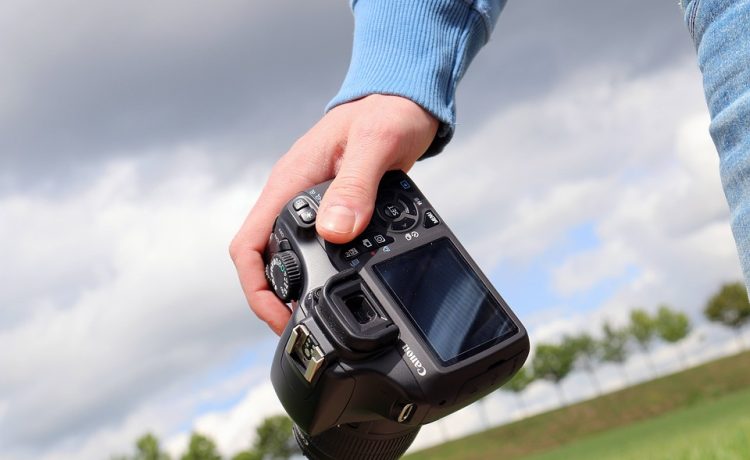
Digital Single-Lens Reflex (DSLR) cameras cater to serious photographers who demand high-quality images and extensive control over their photography. They are versatile and can accommodate various lenses for different shooting situations.
Advantages of DSLR Cameras:
- Image Quality: With larger sensors, DSLRs often produce superior image quality, offering greater detail and better performance in low light.
- Lens Variety: DSLRs provide the ability to interchange lenses allowing photographers to customize their setup based on their needs, whether it’s portrait, wide-angle, or long-range photography.
- Manual Controls: The extensive manual settings give photographers complete control over exposure, focus, and other crucial aspects of photography.
- Optical Viewfinders: DSLRs use optical viewfinders that provide a real-time view through the lens, enabling precise framing and focusing.
Disadvantages of DSLR Cameras:
- Bulk and Weight: DSLRs are generally larger and heavier than compact cameras, making them less convenient for travel, especially for those choosing to backpack or hike.
- Complexity: The wealth of options and settings can be overwhelming for beginners who are not familiar with photography concepts.
- Higher Cost: While there are budget-friendly DSLRs, professional models can represent a significant investment, especially when considering additional lenses and accessories.
Which Camera is Right for You?
When deciding between a compact camera and a DSLR, consider the following factors:
1. Your Photography Goals
If you’re a casual traveler who revels in snapping moments without the need for intricate settings, a compact camera may be your best option. However, if you’re passionate about photography or planning to take professional-quality photos, investing in a DSLR would serve you better.
2. Travel Style
Are you trekking through the wilderness or relaxing on a beach? If you’re looking to travel light, the compact camera would offer significant advantages. However, if you’re willing to carry extra weight for better quality, go for the DSLR.
3. Budget
Your budget will play a significant role in your decision. Remember to factor in the extra costs associated with lenses, accessories, and potential repairs with a DSLR.
4. Learning Curve
Consider how eager you are to learn about photography. If you’re enthusiastic about mastering your equipment and improving your skills across various environments, a DSLR may be a worthy investment.
Conclusion
Choosing the right travel camera ultimately boils down to your personal preferences, travel style, and photography ambitions. Compact cameras provide simplicity and convenience, while DSLRs offer advanced features and superior image quality. Regardless of what you choose, each option has its distinct advantages that can enhance your journey, allowing you to capture memories that will last a lifetime. Make sure to assess your needs and plan accordingly, so you find the perfect travel companion that fits seamlessly into your adventures. Happy travels and happy shooting!


